
Bibi Slippers (1982)
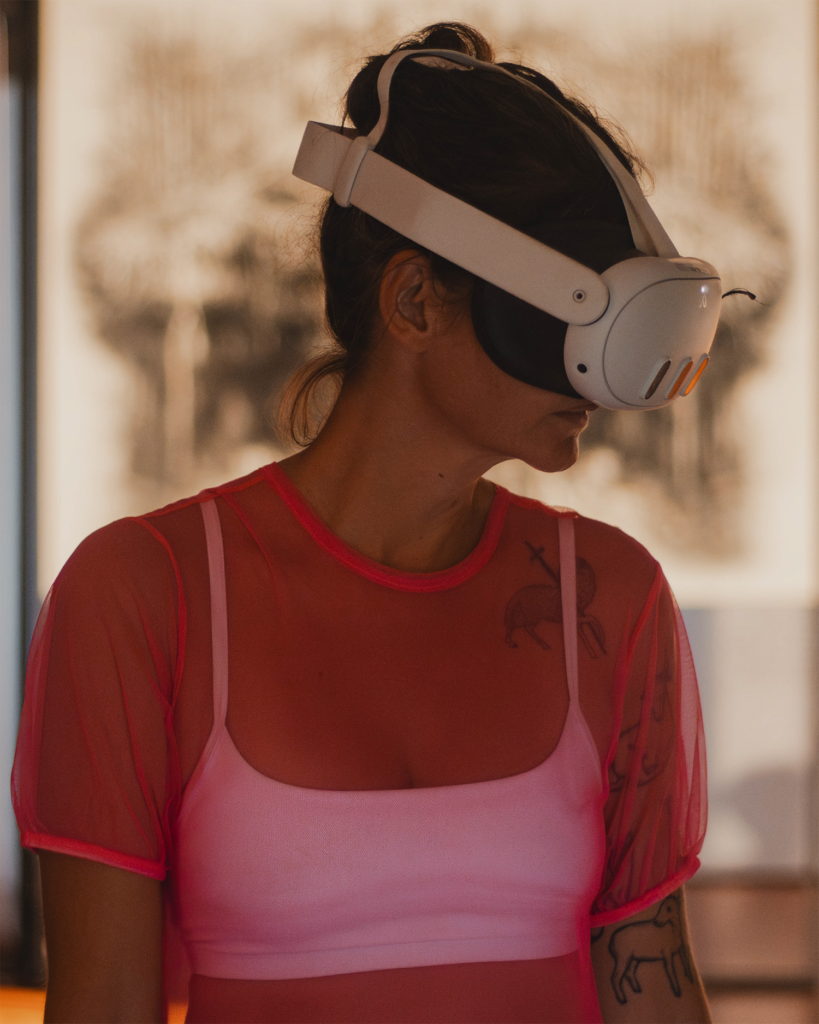
Award-winning poet, journalist and screenwriter, Bibi Slippers’ work spans various creative disciplines. With degrees in both Visual Arts and Languages, she is no stranger to collaborative, multidisciplinary projects. Bibi is the author of two poetry collections: Photocopy Machine (2016) and Search Engine (2023). She has also written articles, short stories, and film and TV scripts.
Dineke Orton (1986)
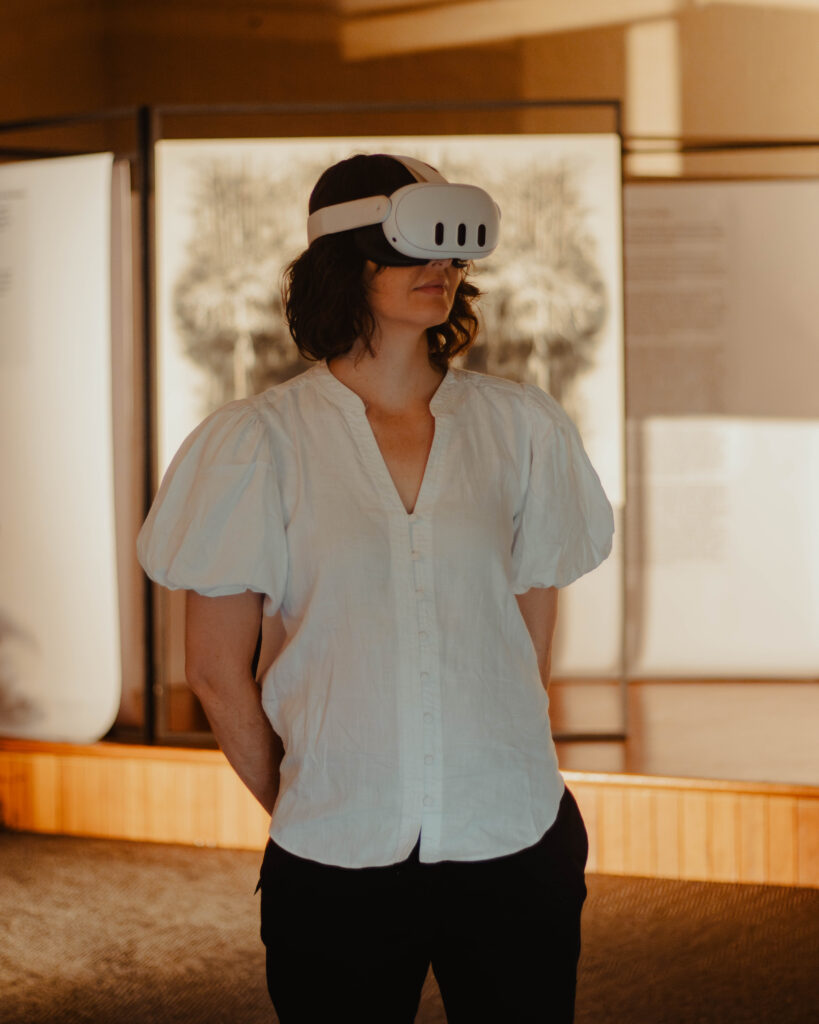
Dineke Orton is a curator, art historian and researcher at the University of Johannesburg Art Gallery (UJ Art Gallery). Orton has a passion for visitor participation, transforming exhibition spaces, and collaborative projects where multiple people generate ideas together and bring them to fruition – an approach that repeatedly leads to the disruption of boundaries. Some of her projects include In Silva (2018), the KKNK virtual gallery (2020), and Liewe Land! (2021–2023).
Herman Myburgh (1987)
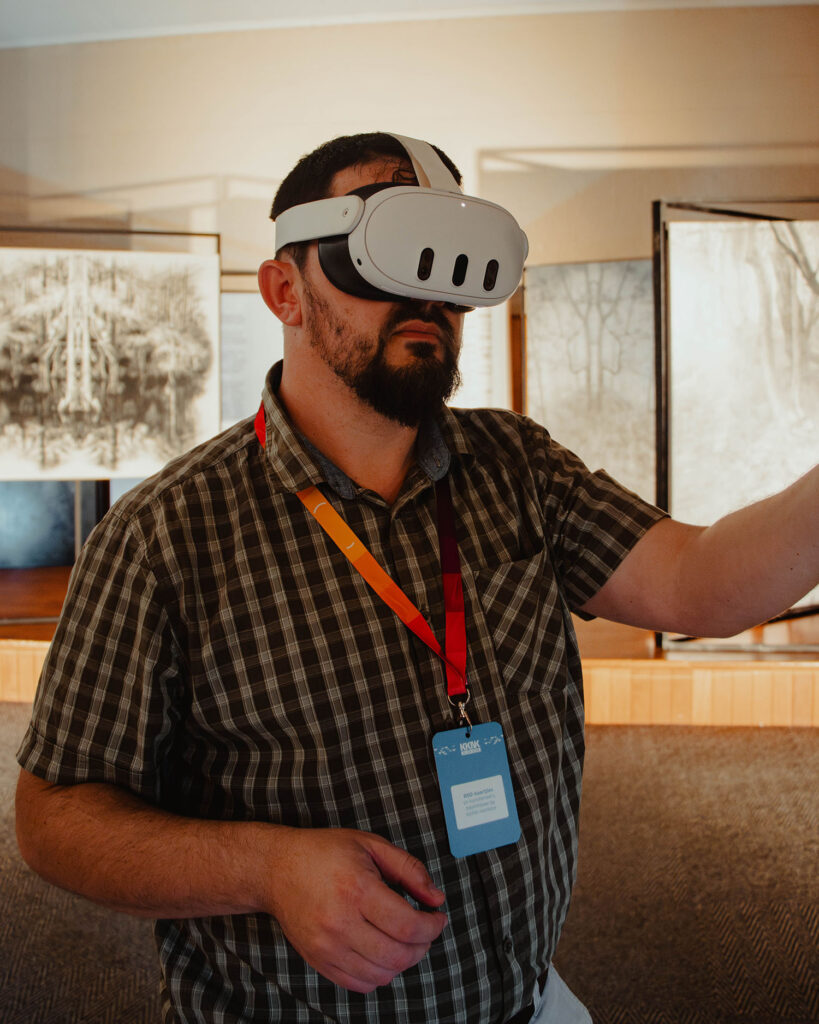
Herman Myburgh is a researcher, lecturer and VR specialist at the University of Johannesburg who investigates the applications and implications of extended reality (XR) technologies. His research interests include creating personalised experiences, where users are immersed in virtual reality (VR) scenes and can experience different scenarios. He is passionate about using XR, especially for teaching and training purposes, as well as creating new experiments where the participants can control their environment. He is an XR explorer, a solution finder, and an academic adventurer, constantly challenging himself through his work.
Jaco Meyer (1988)
The composer, Jaco Meyer is a lecturer in Composition and Musicology at the North-West University. During his postgraduate studies, he became enamoured with the conceptual artist, Willem Boshoff. Boshoff’s artworks provided a conceptual framework for Meyer’s compositions and a large portion of his oeuvre was devoted to music based on “translated” artworks by Boshoff. This collaboration led to further research opportunities in music and visual art as well as joint exhibitions between Meyer and Boshoff. Meyer is interested in ways in which art and sound can be made inseparable from each other, particularly through conceptual connections between the visual and auditory
Jaco van Schalkwyk (1981)
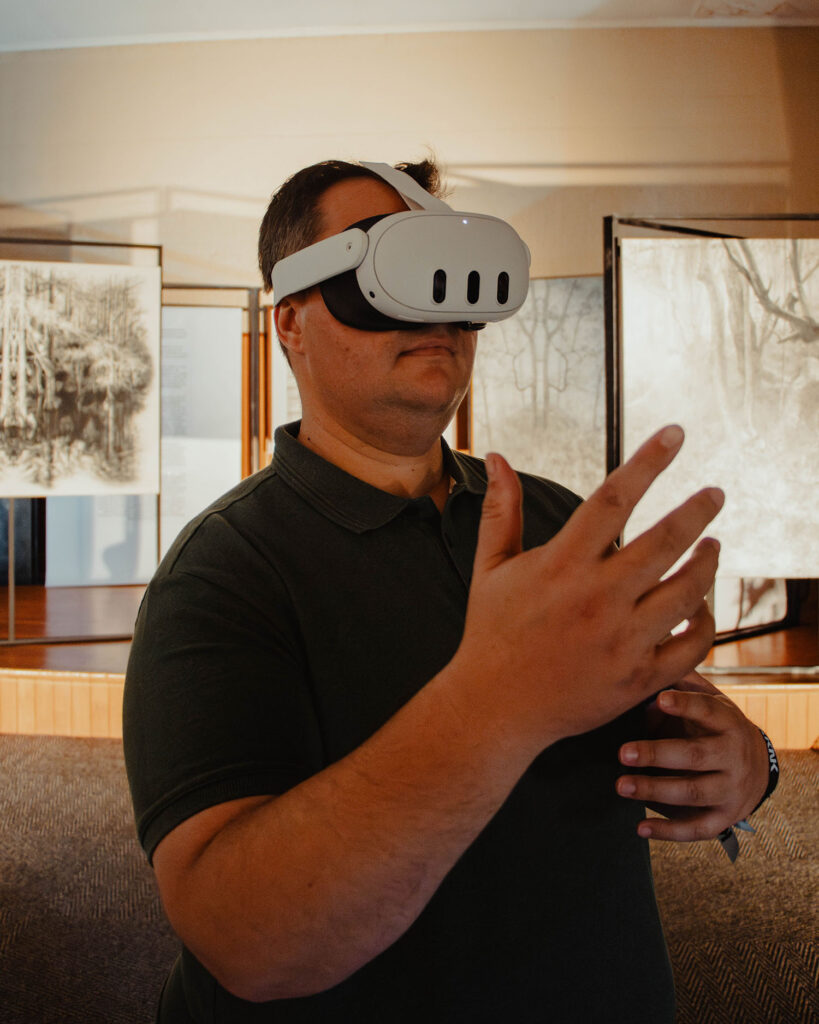
Van Schalkwyk is known for his meticulous attention to detail and can be described as a realistic painter. Despite this, he is very interested in challenging the traditional, two-dimensional and passive image. This premise is clearly recognisable in some of his collaborative exhibitions such as A Land I Name Yesterday (2019) with Wayne Matthews and Jenna Burchell (who used an EEG device to monitor brain waves and convert them into sound) as well as his exhibition with Heidi Fourie and sculptor Allen Laing, entitled Machine in the Garden (2019). According to Van Schalkwyk, artist collaboration is the secret to infusing the ‘passive’ image with movement and extra dimensions.
Quaz Roodt (1984)
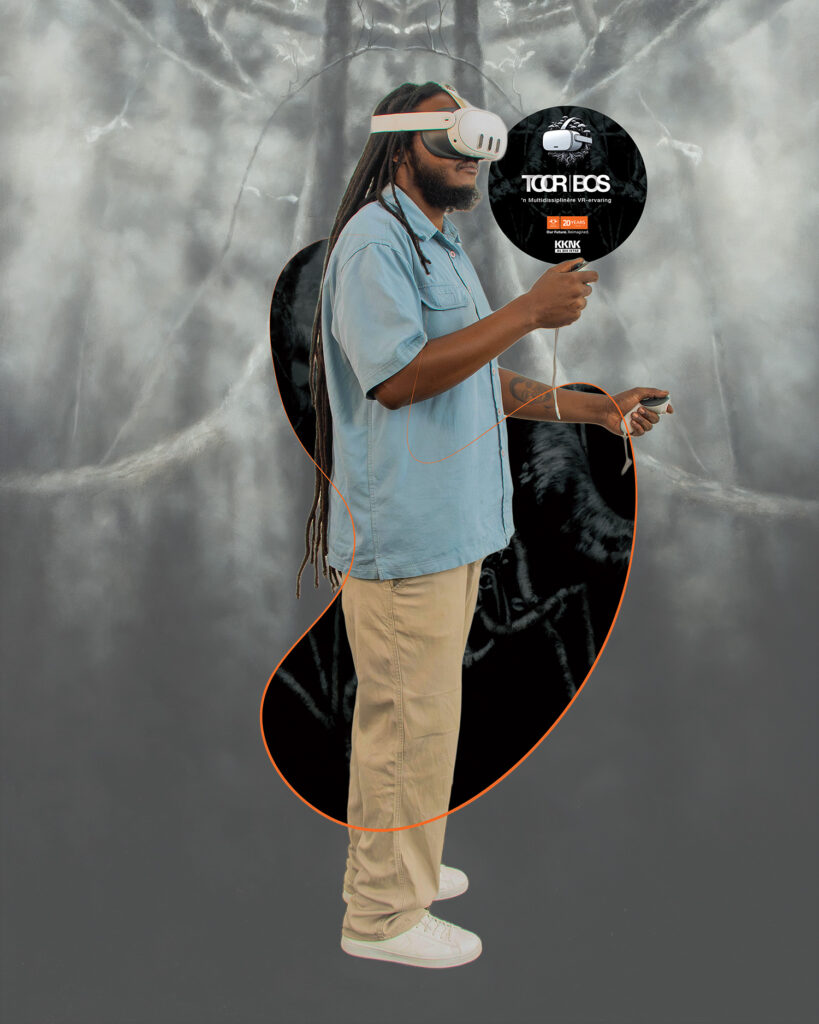
Quaz Roodt is a writer, poet, performer, and social activist. He is the poetry facilitator for the UJ Arts Academy and teaches a poetry and creative writing class. He is also involved in various social outreach programmes across South Africa. Quaz is the co-curator of the Poetry Africa festival on behalf of UJ Arts and Culture and the editor of Poetry Potion, one of South Africa’s long-running print and online poetry publishing platforms. He regularly performs at national and international festivals and has a strong presence on Johannesburg’s poetry and hip-hop scene. Under his alias Sam English, Quaz has released four mixtapes, one EP, and several instrumental projects. He has appeared in numerous albums, short films and documentaries, reflecting his connection to various art forms. In 2009, he published his first collection of poems, The Orange Book Vol:2, and is currently working on his second collection.
Willem Boshoff (1951)
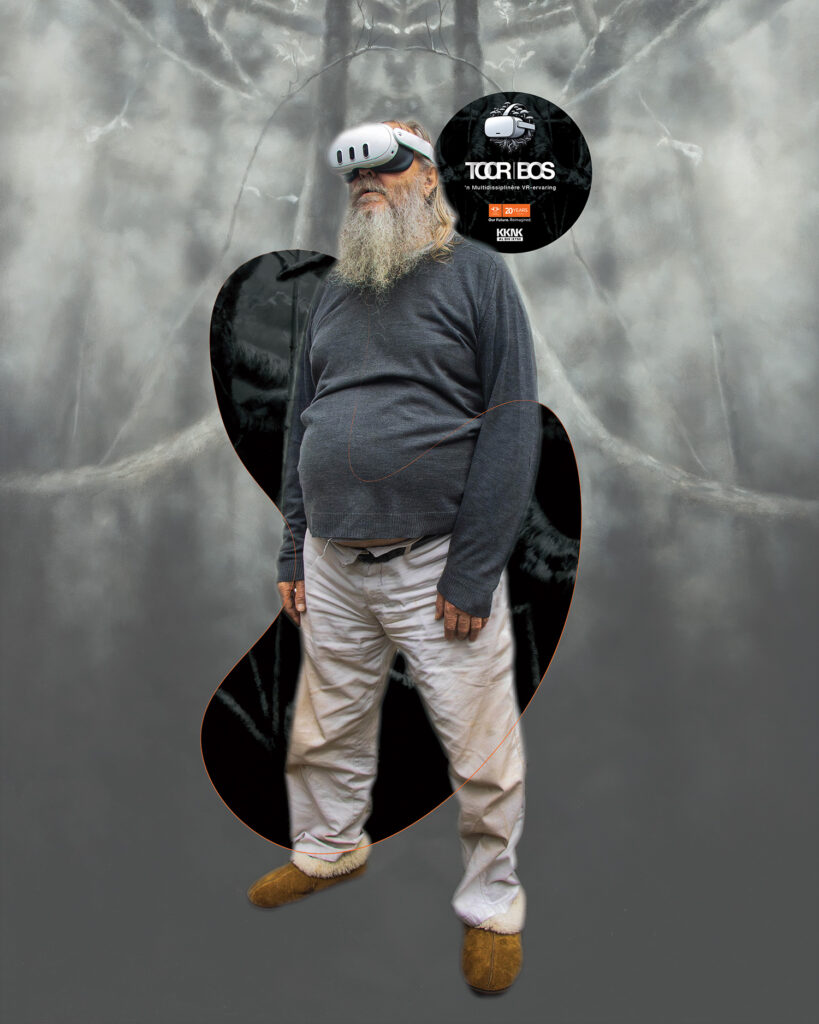
Willem Boshoff, one of South Africa’s best-known conceptual artists, has his oeuvre reflecting his interest in language, words, plants, nature, materials, science and politics. He can be described as a word-artist who plays with letters and meanings. The semiotic and performative properties of language are its chosen medium. Boshoff combines his fascination with words and language with a keen awareness of, and interest in, the natural world. His acute interest in nature is also aligned with his view of himself as artist-mystics, more specifically as a druid. According to Pliny the Elder, the word ‘druid’ is derived from an ancient Greek word, δρῦς (drỹs) meaning ‘oak tree’. The druid is also a traditional seer, with a particular focus on the well-being of individuals. Boshoff’s most important works include KYKAFRIKAANS (1980), the Blind Alphabet Project (1995), Writing in the Sand (2001) and Garden of Words (a continuous project since 1982).